Iceland in Summer
· Updated · BootsnAll
 Iceland's peak season is short but sweet. It runs roughly from mid-June to the end of August, and it's the only time of year when the whole country is open: the highland roads, the mountain huts, the remote guesthouses, the puffin cliffs. It's also when the sun barely sets, when Reykjavik is at its busiest, and when everything costs the most.
Summer weather and the midnight sun
Summer in Iceland is cool, not warm. The Icelandic Met Office's Reykjavik averages for 1991-2020 look like this:
- June: high 13.0°C (55°F), low 7.2°C (45°F)
- July: high 14.9°C (59°F), low 9.1°C (48°F)
- August: high 14.1°C (57°F), low 8.6°C (47°F)
Warmer days do happen, and a still, sunny afternoon at 18°C feels like a heatwave to Reykjavik locals. But plan for 10-15°C with wind, and treat anything above that as a bonus. June is the driest of the three months. August is noticeably wetter.
The light is the real story. On June 21 the sun rises in Reykjavik just before 3am and sets just after midnight, and in between it never gets properly dark. In the north, around Akureyri and Grímsey, it barely sets at all. By the end of July you're back to about 18 hours of daylight, and on August 31 sunset is around 8:45pm. You can check your dates on timeanddate.com, and read more in experiencing the midnight sun. Bring an eye mask. Not every guesthouse has blackout curtains.
What's open, and what to do
The highlands
Summer is the only season you can drive into the interior. Safetravel says the F-roads usually open in June or July and close again in mid-September. Opening dates change every year with the snow, so check the live map on umferdin.is. You'll need a 4x4, and some routes need a far bigger one than others. Rivers are the big risk: Safetravel points out that no insurance covers damage from a river crossing, so if you're not sure, don't cross. Read the highlands before you book the car.
Wildlife
- Puffins: Elding's puffin trips from Reykjavik run from April 20 to August 20. The Westman Islands are the other classic place to see them.
- Whales: Elding runs whale watching from Reykjavik all year, and summer is when the boats are busiest. Up north, Húsavík is Iceland's whale-watching town, with the whale museum to visit between trips.
Everything else
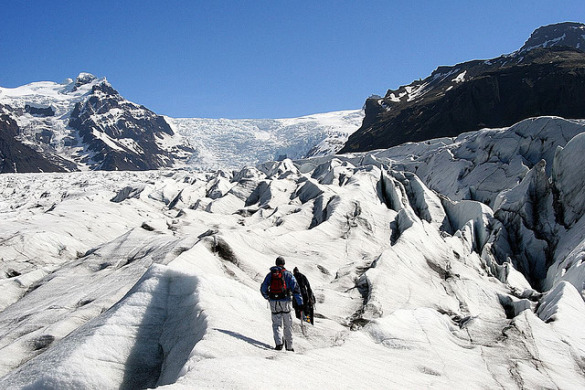
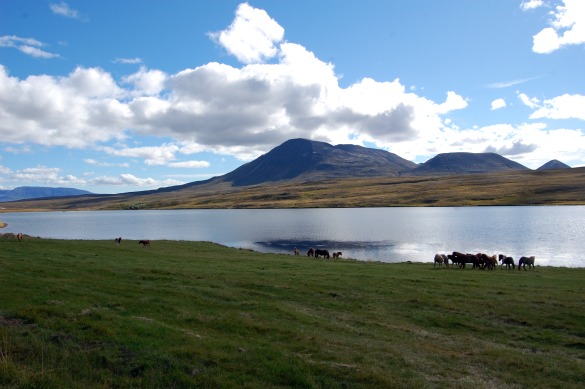
Summer is when every outdoor activity is on: horseback riding, glacier walks, caving, multi-day hiking and snorkeling in Silfra (the water is 2-4°C, even in July). Camping is comfortable if you have a good sleeping bag. Summer is also the best time to drive the Ring Road or head for the Westfjords, where some roads and services are hard going the rest of the year.
One summer annoyance: midges. Lake Mývatn literally means "midge lake," and on a still day there you'll see why. A head net takes up no room in your bag.
The downsides of peak season
Summer is the most expensive time to be in Iceland. Flights to Iceland cost more, and hotels, car rentals and many tours charge high-season rates. Rental 4x4s for the highlands can sell out, so book them months ahead. Accommodation in small towns along the Ring Road fills up too.
You'll also share the big sights with a lot of people. The Golden Circle is at its most crowded in the middle of the day, when the tour buses arrive. With 20 hours of daylight, the easy fix is to go early or late: Þingvellir at 8pm on a June evening is a different place from Þingvellir at noon.
The Blue Lagoon is the other crowd magnet, and it has a second complication. It sits near Grindavík, and the Sundhnúkur craters there erupted nine times between December 2023 and August 2025. The latest eruption ran from July 16 to August 5, 2025, and the Icelandic Met Office says magma is still building up. Check Safetravel before you go. Reykjavik's city pools are a cheaper alternative at 1,500 ISK for an adult as of May 2026.
On airlines: Icelandair is the main carrier. WOW air and Iceland Express are gone, and PLAY stopped flying on September 29, 2025. More airlines fly to Keflavik in summer than in winter, so check Keflavik Airport for your city.
Summer festivals and holidays
Iceland makes the most of the light. The main dates:
- June 17, National Day. Iceland's national holiday, marking the founding of the republic, with parades and crowds in central Reykjavik.
- Reykjavik Arts Festival. The festival is now held every other year, in late May and June. The 2026 edition ran May 30 to June 14, and the next one hasn't been announced yet.
- Þjóðhátíð and Commerce Day. Commerce Day, the first Monday in August, is a public holiday and the biggest domestic travel weekend of the year. That weekend, the Þjóðhátíð festival on Heimaey in the Westman Islands draws around 15,000 people. Campsites and ferries fill up, so avoid the countryside that weekend or book very early.
- Reykjavik Pride. Reykjavik Pride takes over the city in early August (August 4-9 in 2026), with the parade as the highlight.
- Culture Night and the Reykjavik Marathon. Menningarnótt, the city's biggest party, falls on a Saturday in late August (August 22 in 2026, August 21 in 2027). The Reykjavik Marathon runs the same day.
- Reykjavik Jazz Festival. The jazz festival runs in late August (August 25-30 in 2026).
>> more on holidays and events in Iceland
What to pack
Even in July you'll want a warm jacket, a waterproof shell and good boots, and you should dress in layers because the temperature swings through the day. Bring a swimsuit. The full list is in what to wear in Iceland in summer.
Summer month by month
>> see also Iceland in spring, Iceland in September and photos of summer in Iceland
Photo by Sandy Kemsley