Húsavík
· Updated · BootsnAll
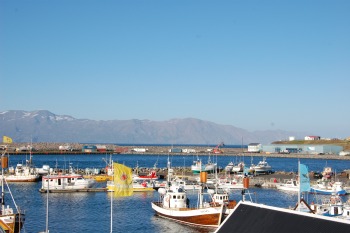 Húsavík sits in the northeast of Iceland, just east of Akureyri, tucked in an inlet above Skjálfandi Bay. Húsavík started forming as a village in the late 19th century, founded upon the fishing industry, shipping, trade and agriculture. Today it is one of the most popular tourist spots outside of southwest Iceland, known as one of the best spots for whale watching in the entire world. It’s also a great home base for exploring more of northern Iceland.
What to do:
Several companies offer whale-watching excursions from Húsavík. I went out with North Sailing, which calls itself one of the pioneers of whale watching in Iceland. Their three-hour Original Whale Watching tour runs daily from March through November and costs 12,990 ISK as of 2026. Other whale-watching tours can be combined with puffin tours or horseback riding. Included in the three-hour tour are hot chocolate and cinnamon cookies, and warm overalls and raincoats. Though it may be warm on dry land, it gets very cold out at sea and you will get splashed, so dress appropriately, and be sure to take Dramamine if you are prone to getting seasick. Whale sightings are never guaranteed, but you can ask what whales have been spotted in the last few days to get an idea of your chances.
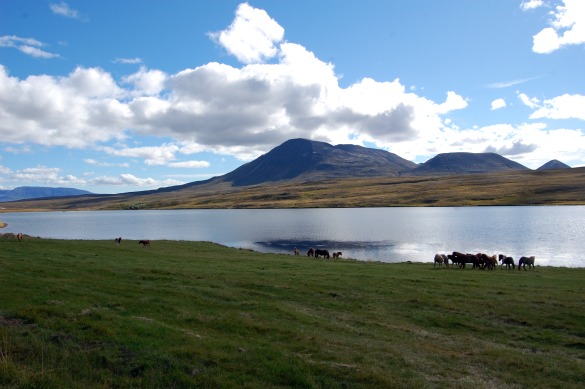
Horseback riding is available at Saltvik, a farm about 4 km south of Húsavík. Day rides last from one to five hours. They also offer multi-day riding tours. Within an hour’s drive from Húsavík, you’ll also find the Myvatn Nature Baths, Godafoss waterfall, Lake Myvatn, Krafla volcano, and the town of Akureyri. On a longer day trip (in summer) one can also visit the mighty Dettifoss waterfall or the Askja caldera in the interior. Several companies like Saga Travel offer day trips around the area from Akureyri and Myvatn.
In the town of Húsavík, the main museum is the Húsavík Whale Museum, which has 13 real whale skeletons on display (hvalasafn.is). The Phallological Museum used to be here too, but it moved back to Reykjavik in 2011 and is now at Hafnartorg in the city center.
For a soak after your whale watch, the GeoSea geothermal sea baths opened in 2018 on the cliff at the edge of town, with warm seawater pools looking out over Skjálfandi Bay. They are open daily from 10am to 10pm (shorter hours in January), and adult admission is 6,490 ISK as of 2026.
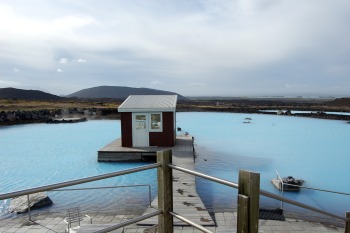 My suggested itinerary for the area is three days: one day to visit the town of Akureryi or go horseback riding and then settle in, one day to go whale-watching and then explore Húsavík and soak at GeoSea, and one day to drive around the area and visit Godafoss, Lake Myvatn and the Myvatn Nature baths, or to schedule a day trip into the interior to visit Dettifoss and Askja. If you have another day, there are plentiful hiking trails around Húsavík as well.
Where to stay:
Many people choose to stay in the larger town of Akureyri and then drive into Húsavík just for the whale-watching. I recommend staying in Húsavík as the town provides a better contrast to your experience in Reykjavik.
>> more on where to stay in Húsavík
Where to eat:
There are only a few restaurants in town. Try Gamli Baukur for fresh fish and a lovely patio with a view of the harbor or head to Salka, in a building from 1883, for excellent pizzas, seafood, and pastas. For those self-catering, there’s a well-stocked grocery store and a Vinbudin on Garðarsbraut.
Getting there and around:
Once in Húsavík, it’s easy to get around the town on foot; it’s small enough that you could walk from one end to the other in under 15 minutes or so. Getting there from Reykjavik is pretty straight-forward as well. Just take the Ring Road to Akureyri and then continue on for another hour or so.