How to Budget for a Trip to Iceland
· Updated · BootsnAll
 Updated September 2026. All prices in Icelandic krónur (ISK) unless noted.
One of the most common questions visitors ask is "how much will a trip to Iceland cost?" The short answer hasn't changed since this guide was first written: well, that depends. It depends on when you go, how long you stay, whether you rent a car, and how you like to travel. What has changed is the size of the numbers. Prices in Iceland have roughly doubled or tripled since 2010, and the budget airlines that made Iceland cheap to reach have all gone.
The quick answer
Your three biggest costs will be flights, accommodation and getting around, and food comes a close fourth. Cut costs by traveling outside June to August, cooking some of your own meals, driving yourself instead of booking lots of tours, and booking rural rooms early. The rest of this page gives you verified 2026 prices so you can build a budget that fits your trip.
First, the exchange rate
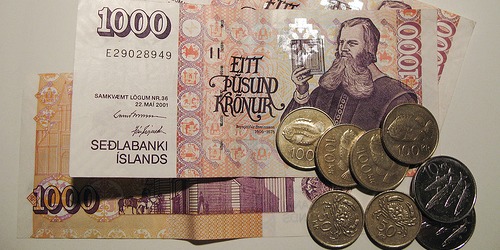
On 16 September 2026 the Central Bank of Iceland listed 121.18 ISK per US dollar, and Wise's mid-market rate was 121.9 ISK. That makes 10,000 ISK about US$82. When this page was first written the rate was about 116 ISK, so the krona hasn't moved much against the dollar. Iceland itself just got more expensive. For a list of everyday prices, see our costs page.
Flights
The low-cost Icelandic airlines are gone. Iceland Express, which the old version of this page recommended, was bought by WOW air in 2012. WOW air collapsed in 2019, and PLAY ceased operations on 29 September 2025. That leaves Icelandair as the Icelandic carrier on transatlantic routes, alongside foreign airlines at Keflavík such as Delta and Air Canada (both summer only), and European carriers like easyJet, British Airways and Finnair.
With less competition, the rock-bottom fares of the 2010s are hard to find. Fares still swing a lot by season, so the old advice holds: fly in winter or the shoulder months, be flexible with your dates, and fly from a city with a nonstop route. If you're flying between North America and Europe anyway, Icelandair lets you stop in Iceland for up to seven nights at no extra airfare, on the way out, the way back or both, which can be the cheapest way to see it; see how to plan a stopover in Iceland.
>> More on flights to Iceland
Accommodation
June, July and August are the busiest months, and room rates follow demand. Iceland had just under 2.3 million foreign overnight visitors in 2025, and small rural guesthouses fill up. Some verified 2026 prices at the budget end:
- Tent pitch at the Reykjavík Eco-Campsite: 3,555 ISK including one adult, 3,150 ISK per extra adult, plus 400 ISK lodging tax per night.
- Campervan pitch with electricity at the same campsite: 5,715 ISK including one adult.
- Mountain hut space at FÍ's Álftavatn hut on the Laugavegur trail: 17,000 ISK a night.
Hostel, guesthouse and hotel prices move daily, so check them when you plan. HI Iceland has 17 hostels, two of them in Reykjavik. Winter rates, from roughly mid-September to May, are still lower than summer rates. If you're on a small budget, a hostel or sleeping-bag accommodation with a kitchen is your best bet in summer.
>> More on hotels in Iceland, hostels in Iceland and camping and sleeping-bag accommodation
Car rental and fuel
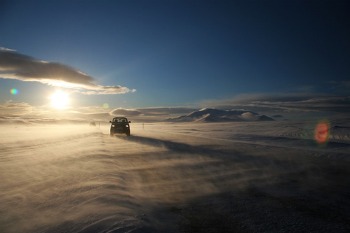 Car rental in Iceland isn't cheap, and the price goes up if you rent in summer, need an automatic, or want a 4x4 that can legally drive the highland F-roads. On top of the daily rate, budget for these:
- Fuel. 95-octane petrol averaged about 261 ISK a liter on 16 September 2026, according to Gasvaktin, which tracks prices at stations around the country. The old version of this page said 200 ISK.
- The kilometer fee. Since 1 January 2026, every car in Iceland pays 6.95 ISK per km, whatever it runs on. Rental companies can choose to pay a daily fee of 1,390 ISK per rental day instead, and either way it shows up in your price. Ask how your rental company handles it.
- Insurance and extras. Gravel protection, extra drivers and GPS all add up. Read what's covered before you sign.
A rough example: a 1,400 km Ring Road loop with a few detours, in a car that uses 7 liters per 100 km, burns about 98 liters, or about 25,600 ISK of petrol at September 2026 prices. If your rental company passes on the kilometer fee, add about 9,730 ISK. Split between two or three people, a car still beats a tour for the same ground.
>> More on car rental in Iceland and driving the Ring Road
Buses and airport transfers
If you're staying in Reykjavik, you may not need a car at all.
- Airport to city: the Flybus costs 3,999 ISK one way to the BSÍ terminal. The public Strætó bus 55 costs 2,400 ISK to Reykjavík.
- City buses: 690 ISK a ride, paid by contactless card on board or with the Klapp app, and fare capping means you never pay for more than three rides a day.
- Reykjavík City Card: 6,100 ISK for 24 hours, 8,500 for 48 and 10,500 for 72, covering buses, 8 pools and 17 museums and attractions.
>> More on bus travel in Iceland and the Reykjavik City Card
Attractions and tours
This is the part of the budget that varies most. If you spend your days driving around and looking at waterfalls, you won't spend much on sightseeing. If you'd rather let someone else drive and book a few organized tours, this line grows fast.
Katie's advice from the original version of this page still works: look through the tours and activities available, decide which you really want to do, then work out which you can do yourself with a rental car, like Geysir, Gullfoss and Thingvellir on the Golden Circle. Renting a car for the day and splitting it with a friend or two usually costs less than a tour.
Some verified 2026 prices:
- City swimming pool: 1,500 ISK for adults. It's the best-value experience in the country.
- National Museum of Iceland: 3,300 ISK.
- Horseback riding: 1.5 to 2 hours with Íshestar costs 16,900 ISK.
Guided activities like glacier hikes, snorkeling and whale watching cost more, and prices vary by operator and season, so compare a few before you book.
>> More on free things to do in Reykjavik, outdoor activities in Iceland and day tours from Reykjavik
Eating and drinking
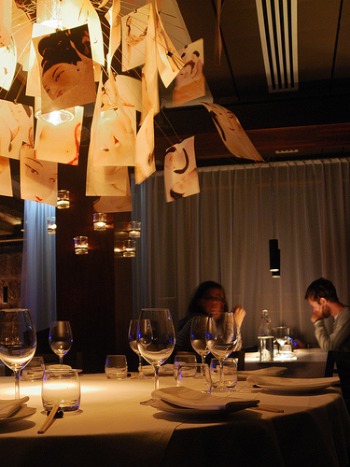 Food and drink is where your budget can swing the most. Cook every meal from supermarket supplies and you'll spend little. Eat out three times a day and Iceland will eat your budget instead.
There's a big middle ground, and the original advice still fits it: eat breakfast at your accommodation, cook a few lunches or dinners, grab some cheap eats, and save your money for a couple of really good meals. The cheapest hot meal in Reykjavik is still a hot dog from Bæjarins Beztu Pylsur, at 880 ISK as of March 2026. Stock up at the discount supermarkets Bónus and Krónan, and drink the tap water.
Alcohol is heavily taxed. Outside bars, wine, spirits and full-strength beer are sold mainly at the state-run Vínbúðin shops. The cheapest place to buy is usually the duty-free arrival store at Keflavík, before you pass through customs, within your allowance.
>> More on dining on a budget in Reykjavik, drinking in Iceland and restaurants to splurge on in Reykjavik
Shopping
Shopping is the cost you control most, so it's the easiest place to trim. Reykjavik's shops will tempt you with Icelandic design and wool, and they charge for it. For a cheaper browse, go to Kolaportið, the flea market at Tryggvagata 19, open Saturdays and Sundays from 11am to 5pm, with more than 50 stalls selling food, antiques, books, crafts and clothing. If you do buy something big, ask for a tax-free form: you can claim a VAT refund on a single receipt of at least 12,000 ISK.
>> More on Kolaportið, shopping in Reykjavik, souvenirs to buy in Iceland and tax-free shopping
What not to do
- Don't use an old budget. Blog posts from the 2010s quote prices that are now half or a third of reality, and airlines that no longer exist.
- Don't forget the kilometer fee. It's new in 2026 and it applies to rental cars.
- Don't plan to sleep in your car or campervan by the roadside. It's illegal outside campsites without the landowner's permission, so budget for campsite fees. See alternative accommodations.
- Don't book a tour for something you can drive to. The Golden Circle is easy on your own in summer.
- Don't skip the pools to save money. At 1,500 ISK they're one of the few things in Iceland that are still good value.
The bottom line
Iceland rewards planning. Set your dates, lock in flights and rural rooms early, decide whether a car or a City Card fits your trip, and use the prices above to fill in the rest. If a long trip is on your mind, Iceland also works as a stop on a bigger journey across the Atlantic; a stopover lets you see it for the cost of a few extra nights. Our costs page and 10-day itinerary are good next stops.
FAQ
Is Iceland cheaper in winter?
Usually, for accommodation and car rental, since demand drops outside summer. The trade-off is short days, road closures and weather that can cancel tours, so build in slack.
Do I need cash in Iceland?
Rarely. Cards are accepted almost everywhere, city buses take contactless payment, and even the airport bus 55 takes cards.
Is the Reykjavík City Card worth it?
It's worth it if you'll ride the bus, swim and visit two or three museums in a day. A pool visit (1,500 ISK) and the National Museum (3,300 ISK) plus a few bus rides already come close to the 24-hour card's 6,100 ISK.
Is the Blue Lagoon worth the money?
That's a personal call, and prices change with the time slot, so check the lagoon's own site. Keep in mind that the Reykjanes peninsula near Grindavík erupted nine times between December 2023 and August 2025. As of September 2026 there's no active eruption and Grindavík is open, but the Icelandic Met Office says magma is still building up, so check safetravel.is before you go. A city pool gives you a hot soak for a fraction of the price. See the Blue Lagoon and hot spring pools in Reykjavik.
Photos by: jff ryn pmr, Tom Olliver, cortomaltese