Regions
Updated · BootsnAll
Iceland is a small country, about 103,000 square kilometers (40,000 square miles), but the diversity of its landscapes and the sheer vastness of the land make it feel much larger. The island is roughly divided into six regions (plus Reykjavik, in Southwest Iceland), each region has its own unique geography and appeal.
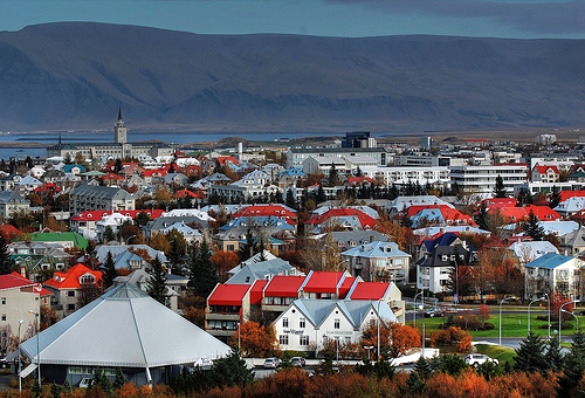
- Reykjavik: The capital and by far the largest city in Iceland, Reykjavik is home to about 140,000 people, and about 253,000 live in the wider capital region (nearly two-thirds of Iceland’s 396,500 people). The city center, known as the 101, is quite compact and walkable. From Reykjavik, one can visit many of the sights Iceland is famous for, including the Blue Lagoon, Geysir, Gulfoss, and Thingvellir.
- West Iceland: Running along the west coast north of Reykjavik, West Iceland is a showcase of the country’s unique geological features. There are volcanoes, hot springs, rock formations, craters, waterfalls and glaciers. The area is a also a birder’s paradise and hosts three of the largest birdcliffs in Europe. The 90-kilometer Snaefellsness Peninsula is called “Iceland in miniature” because it features many of Iceland’s famous landscapes in a small area.
- The Westfjords: In the northwest corner of Iceland, the Westfjords are one of the country’s most sparsely-populated areas, at least when it comes to humans. Arctic foxes and seabirds abound here and outnumber the people. In the past, the area was believed to be the home of wizards and sorcerers.
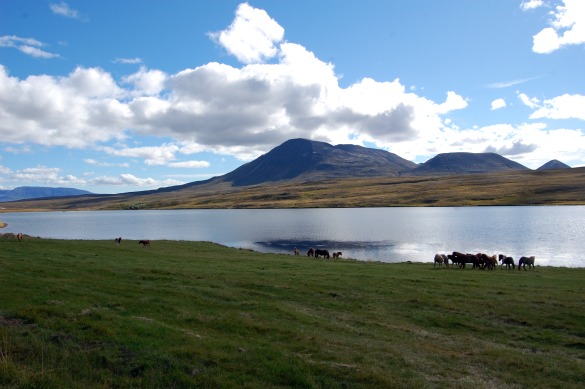
- North Iceland: North Iceland is popular with hikers for its many valleys, mountains, and hills. Horse farms are abundant in the this area and popular activities include fishing, whale-watching, and white-water rafting. The two major towns are Akureyri and Husavik.
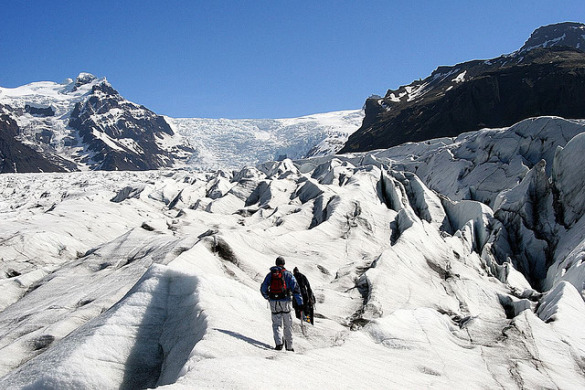
- East Iceland: East Iceland is the place to go to see Vatnajökull, Europe’s largest glacier. Skaftafell, once a national park of its own and since 2008 part of Vatnajökull National Park, sits at the foot of the glacier and is another popular spot for nature enthusiasts.
- South Iceland: Stretching across the bottom half of the country, South Iceland is a land of wild, windswept black-sand beaches, volcanoes (Iceland’s two largest are here) and geothermal hot springs. The Westman Islands are located off the coast and dozens of little fishing villages line the seashores.
- The Highlands: Iceland’s rugged, untouched, uninhabited interior can only be accessed in the summer, as that is the only time when the two roads that traverse it are open. Visitors who do come to the area will be treated to some of the most pristine wilderness - and most alien landscapes - on Earth.