What to Wear in Iceland in Summer
· Updated · BootsnAll
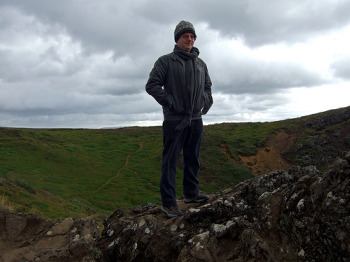 Iceland isn't as cold as its name implies, but it's not exactly tropical either. According to the Icelandic Met Office's 1991-2020 averages, Reykjavik's summer highs run from 13°C (55°F) in June to 15°C (59°F) in July, with lows of 7-9°C (45-48°F). Add wind and rain and it can feel a lot colder. Iceland's weather also swings wildly, and a warm sunny morning can turn chilly and wet by lunch.
On my first trip to Iceland, I packed only for the city, and ended up spelunking in a wet cave in skinny jeans, black knee-high boots and a wool trench coat. Not exactly outdoor gear. I've learned from my mistakes. Here's what to wear and pack for a summer trip.
The short answer
Pack layers, not bulk. A base layer, a warm mid layer (wool or fleece) and a waterproof, windproof shell will cover almost any summer day, from a sunny afternoon in Reykjavik to a drizzly glacier walk. Add waterproof hiking boots, a hat and light gloves, and a swimsuit.
Pack for activities first
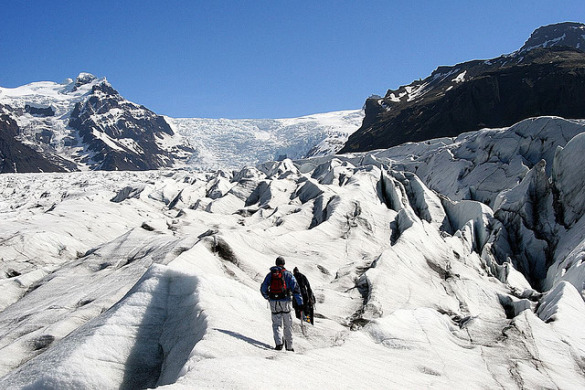
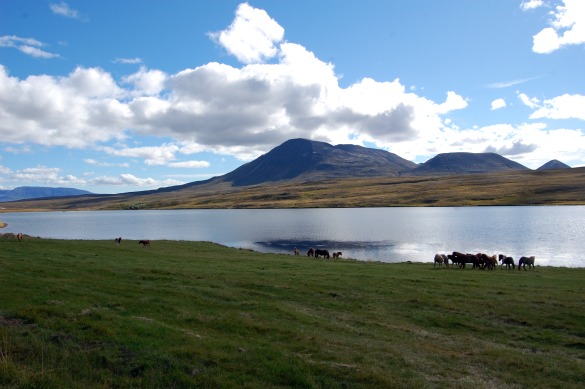
Start by figuring out what you'll actually do. Most outdoor activities (horseback riding, caving, hiking, glacier walking) need roughly the same kit:
- Waterproof hiking boots with ankle support and a proper sole. Trails are rocky, lava is sharp, and you'll cross wet ground. Break them in before you go.
- Wool or synthetic socks, never cotton, plus a spare pair in your daypack.
- Quick-drying trousers, and waterproof over-trousers for rain, waterfall spray and boat trips. Jeans are miserable once they're wet.
- A base layer: T-shirts or thin long-sleeve tops in merino or synthetic fabric.
- A warm mid layer: a wool sweater or fleece. Wool stays warm when damp.
- A lightweight, waterproof but breathable shell jacket with a hood. This is the one item you'll wear nearly every day.
- A hat, light gloves and a buff or scarf. If you're coming from a hot climate, you'll want them on summer evenings, even if the Icelanders around you are out in T-shirts celebrating the warmth.
Specialist gear is usually covered. Glacier-walk operators generally supply crampons and helmets, horse-riding tours often lend rain gear, and the Silfra snorkeling trips at Þingvellir put you in a drysuit or thick wetsuit, since the water is 2-4°C even in July. Ask your operator what they provide and what they expect you to bring.
If you're heading into the highlands or doing a multi-day hike, pack as if it were autumn: a warmer insulated jacket, a proper hat and gloves, and a dry set of clothes sealed in a bag. The weather up there can turn wintry even in July.
A few extras that earn their space:
- An eye mask. Around the solstice the sun sets after midnight and rises before 3am in Reykjavik. See experiencing the midnight sun.
- A midge head net if you're going to Lake Mývatn, whose name means "midge lake."
- Sunglasses and sunscreen. Long days and glare off snow and water add up.
- A small dry bag or rain cover for your daypack and camera, for waterfalls like Seljalandsfoss where you walk into the spray.
Want to buy locally? 66° North is the Icelandic outdoor brand, and a hand-knit lopapeysa sweater doubles as a warm layer and the best souvenir you can bring home. Neither is cheap, so it makes sense to arrive with the basics.
Add some "city clothes"
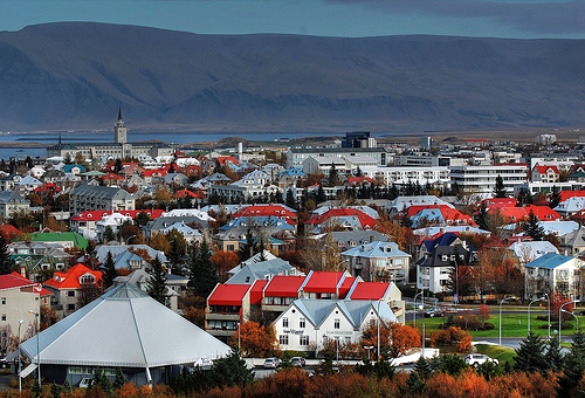
In Reykjavik and Akureyri, the only common thread in fashion is personal style. You'll see everything from dresses and heels to outdoor jackets and wool sweaters on the same street. People dress with some flair, but nobody expects visitors to show up in anything other than what's practical, and a good outdoor jacket is what most locals wear too.
If you plan to go out for dinner or join the weekend runtur, bring one or two dressier outfits. Dark jeans or trousers and a nice shirt or top work for most bars and restaurants. Pack shoes you can walk in: downtown streets are steep in places and often wet. More in what to wear in Reykjavik.
Be prepared for anything
A day that starts out rainy and cold can turn warm and sunny by mid-afternoon, and the other way round, and when it's pleasant in the city it may be cold and windy twenty minutes away. Always dress in layers and carry the shell jacket, even if the sky looks clear when you leave. An umbrella is less useful than you'd think, because the wind turns it inside out, so rely on a good hood.
Don't forget the swimsuit
Icelanders love swimming, and there's a public pool in nearly every town. In Reykjavik, an adult ticket costs 1,500 ISK as of May 2026. You can rent a swimsuit for 1,270 ISK and a towel for 860 ISK, or get all three for 2,770 ISK, but you might as well bring your own. A trip to one of these geothermal pools is one of the best ways to see everyday Icelandic life. See hot spring pools in Reykjavik for where to go.
One rule you need to know: pool guests must wash thoroughly without a swimsuit before getting in. That means a naked shower in the changing room. Nobody cares how you look, but locals take the rule seriously.
If the Blue Lagoon is on your list, note that it's near Grindavík, where the Sundhnúkur craters erupted nine times between December 2023 and August 2025 and the Icelandic Met Office says magma is still building up. Check Safetravel before you go.
Summer packing checklist
- Waterproof, breathable jacket with a hood
- Waterproof over-trousers
- Wool sweater or fleece, plus a light insulated jacket for evenings and the highlands
- Base layers (merino or synthetic)
- Quick-drying trousers
- Waterproof hiking boots and wool socks
- Hat, light gloves, buff or scarf
- Swimsuit and a quick-dry towel
- Eye mask, sunglasses, sunscreen
- One or two outfits for going out in Reykjavik
FAQ
Do I need a winter coat in Iceland in summer?
No. A heavy parka is overkill in Reykjavik in July. A warm mid layer under a waterproof shell does the same job and packs smaller. The exception is the highlands or a multi-day hike, where you'll want a proper insulated jacket.
Can I wear shorts?
On a warm day in town, sure. For hiking and tours, long trousers are more comfortable, since the weather can turn quickly and wind cuts through bare legs.
Are sneakers enough?
For Reykjavik, yes. For glacier walks, most hikes and anywhere with wet or rough ground, bring waterproof boots. Some glacier operators require them, so check before you book.
>> see also what to wear in spring, what to wear in fall, packing for Iceland and Iceland in summer
Photo by jovike