What to Wear in Iceland in Winter
· Updated · BootsnAll
 Iceland is cold in winter, there's no denying that. But, surprising to many, winter weather in Iceland is on average about as mild as New York City's. The Icelandic Met Office's 1991-2020 records put Reykjavik's average December-to-February high at about 3°C (38°F) and the average low at about -2°C (29°F). Central Park's January averages are 39.5°F and 27.9°F.
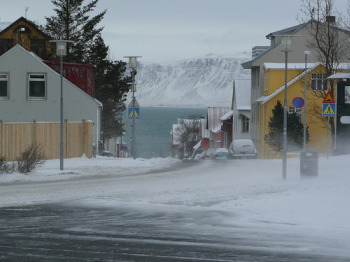
What those numbers don't show is the wind, the sleet, the icy pavements and how quickly the weather changes. Days are short, too: around the solstice Reykjavik gets about four hours of daylight. The north and the highlands are colder than the capital. So you're packing less for extreme cold and more for wet, windy and dark.
Layers are everything
Like packing for Iceland in any season, winter packing means layers. For anything outdoors, whether that's a Golden Circle day or standing in a field waiting for the northern lights, build your outfit like this:
- Thermal base layer, top and bottom. Merino wool is the best choice: warm, and it doesn't smell after a few days. Avoid cotton.
- Insulating mid layer. A fleece or a wool sweater, and on very cold days both.
- Insulated jacket. A down or synthetic jacket for the coldest days and for standing still at night.
- Waterproof, windproof shell jacket and trousers on top. The wind is what makes Icelandic winter cold, and a good shell stops it.
With layers you can peel off when you walk into a warm cafe or museum, then pile everything back on when you step outside. One heavy ski jacket over a T-shirt doesn't work nearly as well.
Hands, head and feet
- A warm hat that covers your ears. The wind finds bare skin fast.
- Gloves or mittens, ideally waterproof, plus a thin pair of liner gloves so you can use your phone or camera without freezing your fingers.
- A scarf or neck gaiter you can pull up over your face.
- Sturdy, waterproof, insulated boots with good grip. Sidewalks and parking areas at waterfalls can be sheets of ice.
- Slip-on ice cleats (microspikes). They weigh almost nothing, and they make icy paths at places like Gullfoss and Þingvellir much less nerve-racking.
- Wool socks, and more pairs than you think. Wet feet ruin a day.
Gear for tours and activities
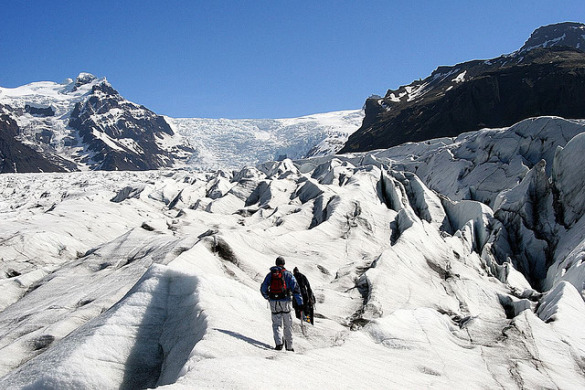
Beyond your own clothes, most tour operators provide whatever specialist gear their activity needs, whether that's a warm overall for snowmobiling, crampons and a helmet for a glacier walk, or a drysuit for snorkeling in Silfra, where the water is 2-4°C all year. Check with the operator before you go, because some ask you to bring your own warm base layers and boots.
A few extras make a winter trip easier:
- A headlamp or small flashlight. It's dark at 4pm, and you'll be walking back to the car in it.
- Hand warmers for long northern lights sessions.
- Spare phone and camera batteries, kept warm in an inside pocket.
- Lip balm and moisturizer. Wind and cold dry your skin out.
If you'd rather buy on arrival, Reykjavik has plenty of outdoor shops, including Iceland's own 66° North. A hand-knit lopapeysa makes a good mid layer and a better souvenir.
Don't forget a swimsuit
Despite the cold, pack a swimsuit. Iceland's public pools are geothermally heated and open all winter, and sitting in a hot pot while snow falls is one of the best things you can do here. In Reykjavik, an adult ticket costs 1,500 ISK as of May 2026, with swimsuit rental at 1,270 ISK and towel rental at 860 ISK if you forget. Remember that pool rules require you to shower without your swimsuit before you get in. Bring flip-flops or pool sandals for the cold walk from the changing room to the water. See hot spring pools in Reykjavik for where to go.
Soaking in the Blue Lagoon as it snows is the classic image. The lagoon is near Grindavík, where the Sundhnúkur craters erupted nine times between December 2023 and August 2025 and the Icelandic Met Office says magma is still building up, so check Safetravel before you go.
What to wear in Reykjavik at night
In Reykjavik you'll see locals wearing everything from jeans and boots to dresses with bare legs, even in January. For men, dark jeans or trousers and a nice shirt work almost anywhere. Most people wear their warm winter coats out on the town and have their going-out clothes on underneath, so you don't need a separate "nice" coat. Just make sure your shoes can handle icy streets between bars. More tips in what to wear in Reykjavik and the Reykjavik runtur.
Winter packing checklist
- Thermal base layers, top and bottom (2 sets)
- Fleece and/or wool sweater
- Insulated down or synthetic jacket
- Waterproof, windproof shell jacket and trousers
- Warm hat, waterproof gloves, liner gloves, scarf or neck gaiter
- Waterproof insulated boots and ice cleats
- Wool socks, several pairs
- Swimsuit and flip-flops
- Headlamp, hand warmers, spare batteries
- One outfit for a night out
FAQ
Do I need snow pants for Iceland in winter?
Waterproof shell trousers over a thermal layer are enough for most sightseeing. Insulated snow pants help if you'll spend long nights outside waiting for the aurora or you're heading to the north, but tour operators provide suits for snowmobiling.
Are hiking boots OK in winter?
Waterproof hiking boots are fine for most trips, especially with thick wool socks and ice cleats. If your feet run cold, get an insulated pair.
Is Iceland colder than it looks on the forecast?
Often, yes. Wind makes a big difference, so a 0°C day with a strong wind can feel far colder than a still, frosty one. Check the wind on the Met Office forecast, as well as the temperature, and read Iceland in winter for more on what to expect.
>> see also what to wear in fall, what to wear in summer, packing for Iceland and things to do in Iceland in winter
Photo by ezioman