Itinerary Ideas: 10 Days in Iceland
· Updated · BootsnAll
Let's get this out of the way: there is no one-size-fits-all itinerary for ten days in Iceland. Ten days is enough to drive the whole Ring Road, or to go deep on two regions, or to base yourself in Reykjavik and never pack your bag. Which one suits you depends on a few things, so settle these before you start pinning places on a map.
- When are you coming? The highland F-roads to places like Landmannalaugar are usually closed from mid-September until June or July, according to Safetravel. In winter, where you can go is decided by the weather and by roughly four hours of daylight around the solstice (Reykjavik sunrise and sunset times).
- What's your budget? A rental car is the biggest line item after flights. Staying in Reykjavik and taking day tours, or using the long-distance buses, cuts that cost but slows you down. More on that in our Iceland budget guide.
- How much driving can you stand? Would you rather make one place a home base and do day trips, or sleep somewhere new every night?
- Do you need a plan, or do you like to play it by ear? In summer, rooms outside Reykjavik book up, so "play it by ear" works better with a tent or campervan.
Pick one of the three plans below, or use one as a starting point for your own. Driving times are rough estimates for good summer conditions. Check umferdin.is for road conditions and vedur.is for the forecast every morning, and leave a travel plan with Safetravel if you're heading anywhere remote.
The "see it all" route (summer only)
This one is for the person who wants to see the highlights of every region and doesn't mind a frenetic pace. It leaves the Ring Road for Landmannalaugar, the Westfjords and Snaefellsnes, so you need summer, when the highland roads are open and the daylight runs almost around the clock. You'll also need a proper 4x4 for the Landmannalaugar leg, and not every 4x4 will do: Safetravel points out that some F-roads are fine for a small SUV while others need a much bigger vehicle, and there are unbridged rivers to cross. If that makes you nervous, book a bus or tour for that day instead. Budget for a pricey rental and fuel, and book beds early, since accommodation is thin in the Westfjords in high season.
Map data © OpenStreetMap contributors. Stops are approximate.
Day by day
Day 1: Reykjavik around the Golden Circle (Thingvellir, Geysir and Gullfoss), then on to Landmannalaugar. Gullfoss to Landmannalaugar is roughly 150 km, and the last stretch is on F-roads. Don't count on the Blue Lagoon fitting into this day; it's in the opposite direction, near Grindavik.
Day 2: Hike around Landmannalaugar, then drive down to the coast and east to Vik.
Day 3: Vik to the Jökulsárlón glacier lagoon (about 190 km, three hours without stops), then on to Egilsstaðir (another 250 km). This is a very long day, so consider sleeping near Höfn instead.
Day 4: Egilsstaðir to Dettifoss, which the national park calls the most powerful waterfall in Europe. The west side is reached on paved road 862; it's a 1 km walk each way from the car park. Carry on to Ásbyrgi canyon and Húsavík.
Day 5: Morning whale watching from Húsavík with an operator like North Sailing, then Lake Mývatn, a soak at Earth Lagoon Mývatn (the former Mývatn Nature Baths), Goðafoss, and a night in Akureyri.
Day 6: Akureyri to Ísafjörður. This is the longest day of the trip: about 525 km and close to eight hours of driving before stops.
Day 7: A day out of Ísafjörður. Sjóferðir runs boats into the Hornstrandir nature reserve, including day trips to Hesteyri. See our Westfjords ideas for more.
Day 8: Drive south past Dynjandi waterfall to Brjánslækur (about 90 km), with a detour to the bird cliffs at Látrabjarg if you're up early (about 90 km each way from Brjánslækur). Then take the Baldur ferry across Breiðafjörður to Stykkishólmur. The crossing takes about 2 hours 10 minutes. Note that the ferry leaves from Brjánslækur, not Ísafjörður as older guides (including an earlier version of this page) said. Check the sailing schedule before you commit: the September to December 2026 timetable has no Saturday sailings, and not every sailing runs every day. Winter-season fares are 6,300 ISK per adult and 6,300 ISK for a standard car, one way (price list). Book the car space ahead.
Day 9: Loop around the Snaefellsnes Peninsula from Stykkishólmur through Grundarfjörður to Arnarstapi, with time for a glacier walk, a lava cave or a horse ride, then drive back toward Reykjavik (Arnarstapi to Reykjavik is about three hours).
Day 10: Explore Reykjavik before your flight.
If this looks exhausting, it is. Cutting the Westfjords and Snaefellsnes frees up three or four days. You could also do half the country properly, the north and west, or the south and east.
>> Learn more about places in North Iceland and the Westfjords
Ring Road adventures
This route takes in many of the same sights but stays on or near Route 1, which means an ordinary car will do in summer and the pace is gentler. It also works in winter if you have a 4x4, winter driving experience and room in the schedule to wait out a storm. You can go in either direction. Our Ring Road driving guide has more detail.
Day 1: Reykjavik to Vik by way of the Golden Circle.
Day 2: Vik to Jökulsárlón, and a night near Höfn.
Day 3: Höfn to Egilsstaðir through the East Fjords (about 190 km).
Day 4: Egilsstaðir to Mývatn (about 165 km), with a detour to Dettifoss.
Day 5: Húsavík for whale watching, then Goðafoss and Akureyri.
Day 6: A slow day in Akureyri.
Day 7: Akureyri to Reykjavik (about 380 km, five and a half hours).
Days 8 to 10: Day trips from Reykjavik: glacier walks, horse riding, caving, or snorkeling at Silfra. Snorkelers at Silfra need a buddy and full cold-water gear, and the national park rules are strict, so most people go with a licensed operator. You could also swap these days for Snaefellsnes.
No driving, or a winter visit
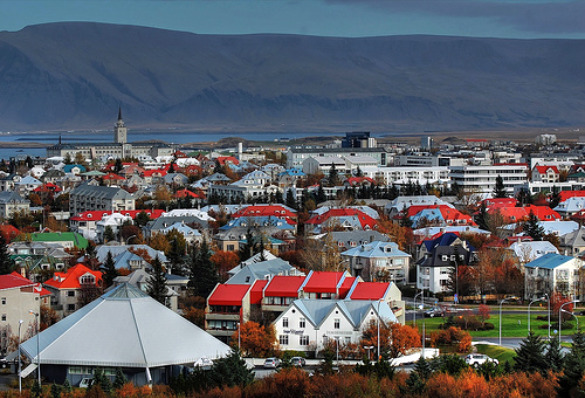
From October through April, the weather and the short days set the limits. You can get around near Reykjavik without a 4x4, but parts of the Ring Road will be harder going, and around mid-December the sun is up for only about four hours in Reykjavik (see our weather page). Unless you're renting a 4x4 and know how to drive on ice, the easiest plan is to stay near the capital. There is plenty around Reykjavik to fill ten days.
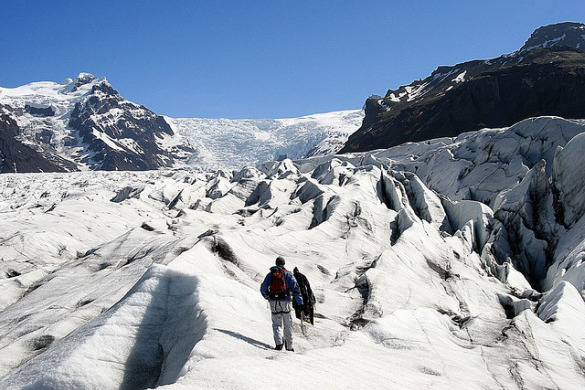
Plan on two or three days for the city, its museums and pools. Then budget four to six days for tours: ice caves, glacier walks, snowmobiling, horse riding, northern lights trips, and the south coast as far as Vik. Save one day for the Golden Circle. Air Iceland no longer exists, but Icelandair flies from Reykjavik's domestic airport to Akureyri, Egilsstaðir, Ísafjörður and Höfn, all in under an hour, so an overnight in Akureyri is easy without a car. For the long-distance buses, Strætó's route 57 runs Reykjavik to Akureyri once a day, and our bus guide covers the rest.
If the Reykjanes peninsula is on your list, check Safetravel's Reykjanes page first. The area around Grindavík and the Blue Lagoon erupted nine times between December 2023 and August 2025, the authorities still consider it hazardous, and the Icelandic Met Office says magma is still building up.
>> Start with our five day itinerary and add more activities to build your own trip
>> Read more about what to do in Reykjavik or find day trips from Reykjavik
FAQ
Can you drive the whole Ring Road in 10 days?
Yes. Route 1 is about 1,300 km, so ten days gives you time to stop. Doing the Ring Road plus the Westfjords and Snaefellsnes in ten days is possible in summer, but you'll spend a lot of it behind the wheel.
Do I need a 4x4 for 10 days in Iceland?
Not in summer if you stay on paved roads. You need one for F-roads such as the route to Landmannalaugar, and Safetravel warns that even some 4x4s aren't up to every F-road. In winter a 4x4 is the safer choice outside the capital area.
Is 10 days in Iceland enough?
It's enough for the Ring Road at a comfortable pace, or for two regions in depth. It isn't enough to do everything, and trying is how people end up seeing Iceland mostly through a windshield.